

The beauty industry has undergone a significant transformation over the past decade, with cruelty-free and vegan beauty brands gaining unprecedented momentum. This shift is not just a passing trend; it’s a fundamental change in how consumers think about the products they put on their skin and the ethics behind them. A critical yet sometimes overlooked driver behind this movement is the rise of blogging—a platform that empowered individuals to share knowledge, opinions, and experiences about cruelty-free and vegan beauty long before mainstream media caught on. eyond beauty, blogging has also amplified awareness for other niche markets, such as veteran apparel, highlighting products with a meaningful story behind them. This article explores how blogging has played a pivotal role in shaping consumer awareness, influencing brand strategies, and fueling the explosive growth of cruelty-free and vegan beauty brands.
The Power of Blogging: From Personal Journals to Global Movements
Blogging started as a personal outlet—a digital diary where individuals shared their thoughts, passions, and daily lives. Over time, it evolved into a powerful platform for niche communities and social movements. In the beauty industry, bloggers specializing in cruelty-free and vegan products helped democratize information that was previously hard to access. Before the widespread adoption of social media platforms like Instagram and YouTube, beauty bloggers were the primary source for discovering which brands truly adhered to cruelty-free and vegan principles.
The unique power of blogging lay in its authenticity and relatability. Unlike traditional advertising or even corporate websites, blogs were written by everyday consumers, passionate advocates, or ethical beauty insiders who provided honest reviews, product ingredients breakdowns, and personal stories about switching to cruelty-free lifestyles. This authenticity built trust with readers who often felt overwhelmed by the jargon and greenwashing prevalent in beauty marketing.
Bloggers also became key educators and myth-busters, clarifying what terms like “cruelty-free” and “vegan” actually mean. For many consumers, this was their first real exposure to the cruelty-free concept beyond vague slogans. Bloggers explained the distinctions between no animal testing, vegan ingredients, and ethical sourcing, helping people navigate a complex landscape. Their detailed ingredient analyses, exposure of non-compliant brands, and tips on identifying certifications empowered readers to make conscious purchasing decisions.
Moreover, bloggers fostered communities around cruelty-free and vegan beauty. Comment sections and forums became spaces where like-minded consumers exchanged advice, shared product recommendations, and supported each other’s ethical choices. This community aspect amplified the movement, transforming it from isolated decisions into collective action. Blogs hosted giveaways, organized cruelty-free product swaps, and collaborated with like-minded brands, further spreading the message. Some blogs even started featuring eco-friendly lifestyle products, like sustainable transportation options, with convenient financing options such as electric bike pay with affirm. 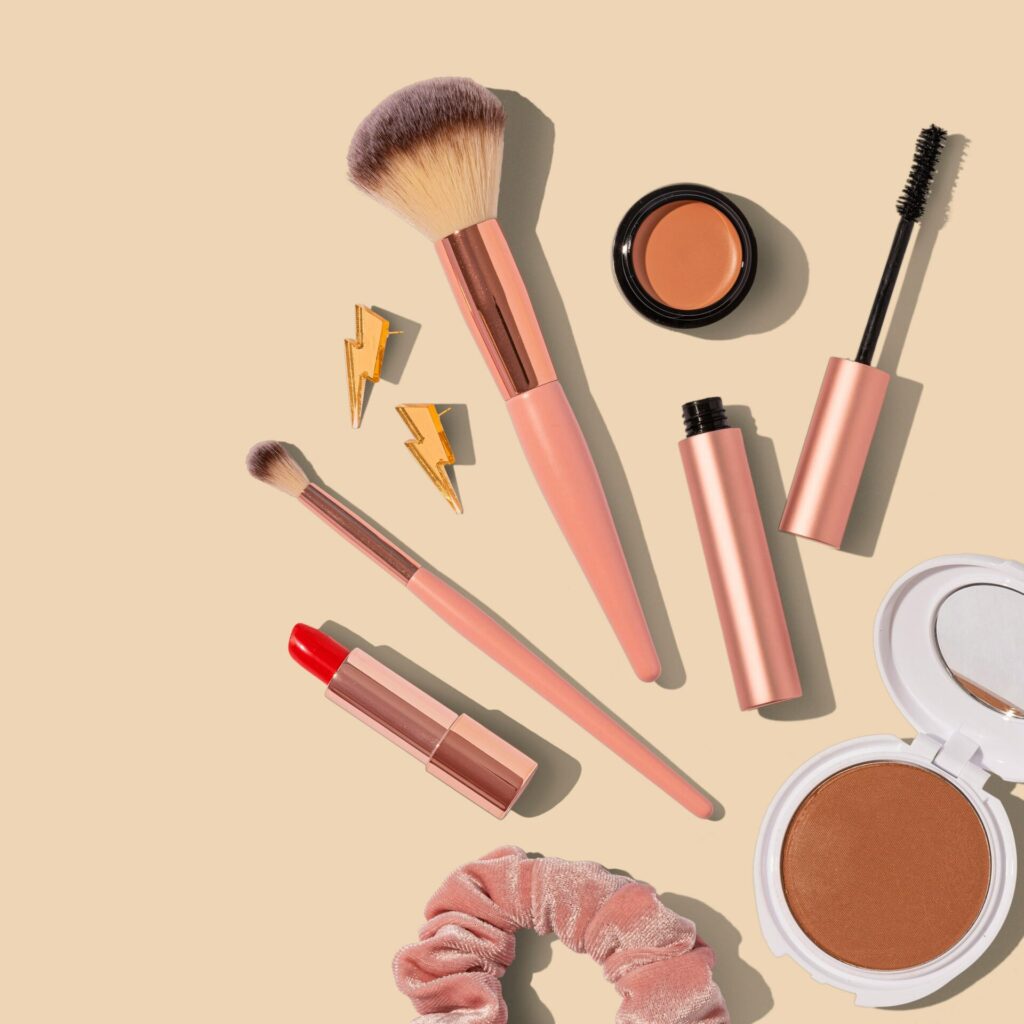
The timing of blogging’s rise was critical. In the early 2000s, the internet began reshaping how people consumed information, but mainstream media coverage of ethical beauty was minimal. Blogs filled that void, creating a grassroots wave that pressured brands and retailers to rethink their product lines. The beauty industry noticed this shift as the demand for cruelty-free and vegan options grew online and offline. Around the same time, lifestyle blogs also began covering topics like sustainable fashion and cowboy apparel, broadening their influence beyond beauty.
With the eventual emergence of social media platforms, many bloggers expanded their reach into Instagram, YouTube, and TikTok, but the foundation of the cruelty-free beauty community was laid on blogging platforms. The long-form content blogs allowed for deeper dives into product formulations, cruelty-free certifications, and company ethics, which often cannot be captured in short social media posts.
Thus, blogging did more than just inform consumers; it transformed personal narratives into global movements, setting the stage for cruelty-free and vegan beauty brands to rise from niche players to mainstream powerhouses.
How Blogging Influenced Consumer Awareness and Behavior
One of the most profound impacts of blogging on cruelty-free and vegan beauty is its influence on consumer awareness and behavior. Awareness is the cornerstone of ethical consumption, and bloggers were instrumental in shining light on the realities behind many conventional beauty products.
Prior to the proliferation of blogs, most consumers had limited knowledge of animal testing practices, environmental impacts of ingredient sourcing, or the presence of animal-derived substances in beauty products. Bloggers changed that by breaking down complex information into accessible, engaging content. Through detailed product reviews, tutorials, and educational posts, they revealed not only which products were cruelty-free and vegan but why it mattered. Some blogs even explore quirky trends, like the rise of indulgent treats such as sex chocolate, connecting lifestyle and beauty discussions.
Bloggers also often shared personal transformation stories—why they chose to switch, the challenges they faced, and the benefits they experienced. These narratives made the movement relatable and motivated readers to take similar steps. The emotional connection forged through storytelling proved powerful in changing buying habits. It’s one thing to read a corporate statement about cruelty-free ethics, but quite another to hear from someone who transitioned to cruelty-free beauty and saw positive results. Some bloggers even tied their efforts to community initiatives, like promoting a school fundraiser, to engage their audience further.
Additionally, bloggers provided transparent and critical assessments of brands’ claims. They exposed instances of greenwashing, where companies falsely or misleadingly marketed themselves as cruelty-free or vegan. This watchdog role helped consumers avoid being misled and put pressure on brands to be honest and improve their practices.
The effect of blogging on consumer behavior is also evident in the rise of intentional purchasing—where consumers prioritize ethical factors alongside price and performance. Blogging communities frequently discussed how to build a cruelty-free and vegan beauty collection without breaking the bank or sacrificing quality. This advice helped dispel myths that ethical beauty is expensive or less effective, widening the movement’s appeal. Some blogs even provide guidance on related services, such as loan signing services, to help readers navigate financial aspects of their purchases.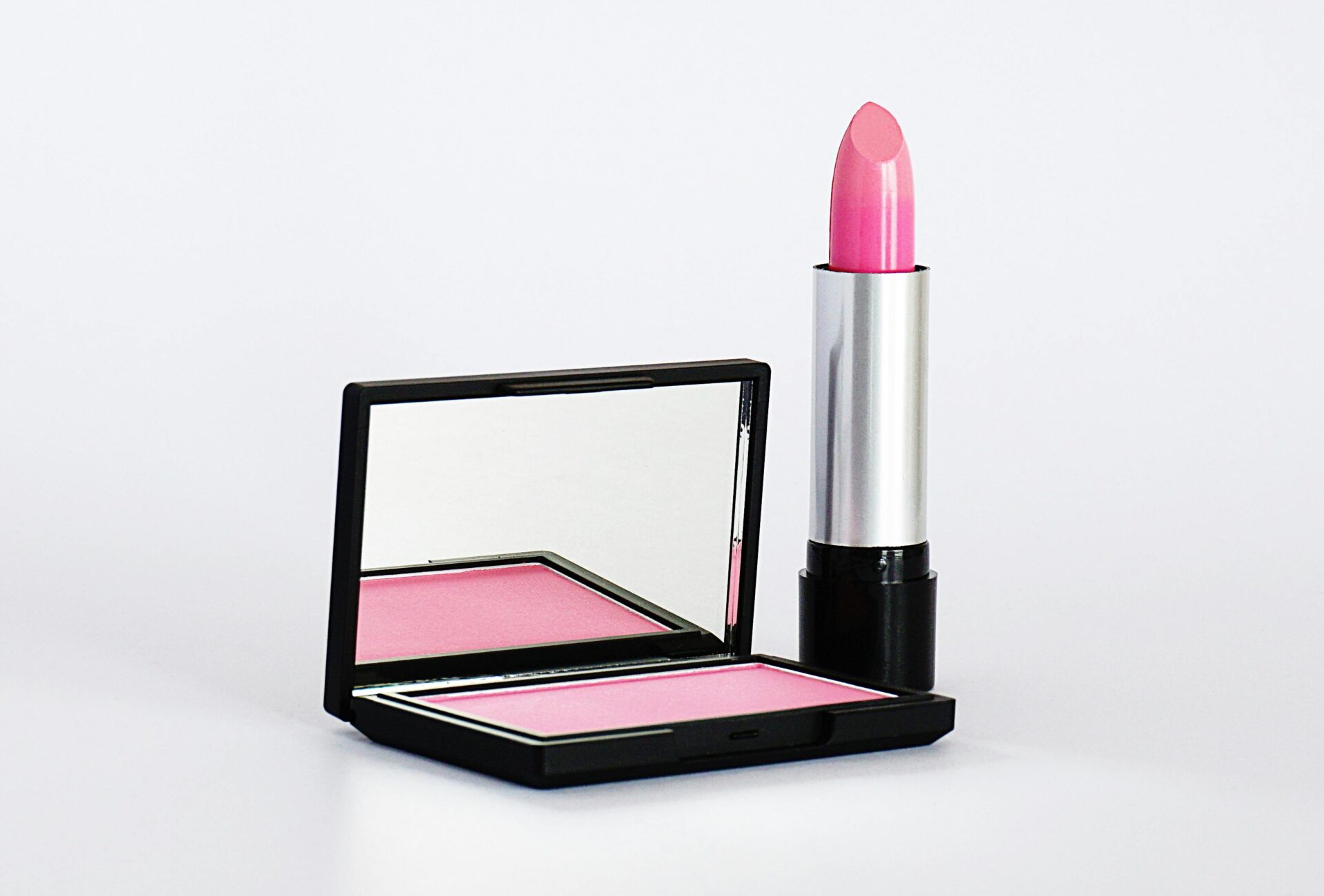
Furthermore, bloggers influenced the discovery process. Before blogs, finding cruelty-free and vegan products required significant effort, including reading labels or relying on word of mouth. Bloggers curated lists of reliable products, brands, and shopping resources, streamlining the consumer journey. Many blogs included guides, certification explanations, and FAQs that lowered the barrier to entry for ethical beauty.
By consistently providing new content, product launches, and trend insights, bloggers kept the conversation alive and dynamic. This sustained engagement led to a ripple effect: consumers became more vocal, shared their own experiences, and pushed brands to respond to growing demand. Many bloggers became micro-influencers whose recommendations shaped purchasing decisions for thousands, even millions, of followers.
The Impact of Blogging on Brand Strategies and Market Growth
The rise of blogging did not just influence consumers—it also reshaped how beauty brands approach their product development, marketing, and overall business strategy. As bloggers gained authority and reach, brands began to see them as essential partners and powerful amplifiers of their message.
Initially, many cruelty-free and vegan brands were small startups, created by passionate individuals who aligned with ethical values but lacked large marketing budgets. Blogging provided a cost-effective and authentic marketing channel for these brands. Bloggers who genuinely believed in a product would share their experiences with engaged audiences, generating organic buzz that traditional advertising couldn’t match. Some brands even explored innovative wellness products, including electrical stimulation in Chicago, to appeal to health-conscious consumers.
Recognizing this, brands started cultivating relationships with bloggers, offering product samples, exclusive previews, and collaboration opportunities. These partnerships were mutually beneficial: bloggers received content to share and exclusive access, while brands gained credibility and reach. The growth of influencer marketing in beauty owes much to early blogging communities that pioneered authentic brand-consumer interactions.
Bloggers also provided valuable feedback loops for brands. Through reviews and community engagement, brands learned what consumers valued most—whether it was transparency in ingredients, sustainable packaging, or specific formulations. This real-time insight allowed brands to iterate and innovate in ways that aligned with customer expectations. Some brands even explored niche product lines, such as women’s underwear accessories, based on influencer feedback and audience interest.
The influence of blogging also pushed brands to pursue certifications more rigorously. As bloggers educated audiences on the nuances of cruelty-free certifications (like Leaping Bunny or PETA), brands had to meet these standards to gain credibility and avoid negative exposure. The transparency demanded by the blogging community set a higher bar industry-wide.
Market growth in cruelty-free and vegan beauty is closely tied to these dynamics. Blogging helped create a feedback-driven ecosystem where consumer demand, brand offerings, and community engagement accelerated each other. The visibility bloggers provided also helped cruelty-free brands break through the noise in a crowded beauty market.
Furthermore, the impact of blogging extended to mainstream beauty companies. Large brands observed the traction cruelty-free and vegan startups gained through blogger endorsements and began to develop their own ethical lines or reformulate existing products. This shift was partly a response to blogger-driven consumer pressure demanding higher ethical standards. As a result, cruelty-free and vegan products moved from niche specialty stores to major retailers and online platforms, increasing accessibility. Similarly, just as consumers seek trustworthy services online, people now rely on reviews when choosing movers in Los Angeles.
Conclusion
The rise of cruelty-free and vegan beauty brands is one of the most significant shifts in the modern beauty industry, and blogging has been a key driver behind this transformation. By providing accessible, authentic, and educational content, bloggers empowered consumers to make ethical choices, challenged brands to raise standards, and fostered vibrant communities committed to animal welfare and sustainability. Blogging turned personal passion into a global movement that reshaped how beauty is defined and marketed.
While challenges such as content saturation, greenwashing, and shifting platforms exist, blogging’s influence remains profound. It continues to adapt and evolve, embracing new technologies and broader ethical considerations. The future of cruelty-free and vegan beauty is inseparable from the ongoing work of bloggers who champion transparency, authenticity, and conscious consumption.
In essence, blogging gave a voice to the voiceless—the animals, the environment, and the ethically minded consumer—while rewriting the beauty industry’s rules. Without it, the movement might have remained niche rather than becoming the powerful force it is today. As cruelty-free and vegan beauty continues to grow, the role of blogging as educator, advocate, and community-builder will remain indispensable.